Travelling to Morocco is easier than it looks. Many Spanish-speaking travellers don't need a visa for short tourist stays, the country has good air links and, from Spain, sea links too, and in one or two weeks you can combine medieval medinas, mountains, the Sahara and the Atlantic coast. In this guide we've put together what we've learnt organising trips all over the country: when to go, what it costs, which documents to check, which destinations to choose, what a night in the desert is like, which customs are worth knowing and which kind of trip suits you. Each section links to a more detailed guide so you can read up on whatever interests you most.
Before you start: how to use this guide
Morocco is a big, varied country, and the question we get most often is "where do I start?". We suggest planning in this order:
- Decide when you're going to travel, because the weather varies a lot between the desert, the mountains and the coast.
- Check the entry requirements for your nationality.
- Work out how many days you have and choose the regions that fit into that time.
- Choose the type of trip: private, group, luxury, family, or built around one particular activity.
- Sort out the practical details: budget, luggage, money, phone data and customs.
Let's go step by step.
Planning your trip to Morocco
When to go
Spring, from March to May, and autumn, from September to November, are the best times to travel round the whole country. Temperatures are pleasant in the imperial cities, the desert is bearable during the day and the Atlas is green or in its autumn colours. In summer it's very hot inland, especially in Marrakech, Fez and the desert, although the Atlantic coast stays cool. In winter the days are usually sunny, but the nights are cold, particularly in the desert and the mountains, where it can snow.
There's a full month-by-month breakdown in the best time to visit Morocco. If you're flying into Marrakech, also look at the weather in Marrakech, and if you can only travel in the colder months, read our guide to visiting Morocco in winter: it's a quiet, bright season with lower prices outside the holidays.
Bear the religious calendar in mind as well. Ramadan and the major festivals, such as Eid al-Fitr and Eid al-Adha, follow the lunar calendar and move every year. Travelling on those dates is perfectly possible, but some opening times change.
Entry requirements
Citizens of Spain, Mexico, Argentina, Chile and Peru, among other countries, don't usually need a visa for tourist stays of up to 90 days, but other nationalities do, or have to apply for an electronic visa. What you can't do without is a passport that is valid for your whole stay, and we recommend it has at least six months' validity. Minors have specific requirements, especially if they're travelling with only one parent.
The rules change, so always check with official sources before you travel, such as the Moroccan consulate or embassy in your country. We go through the details by nationality in entry requirements for Morocco.
Getting there
Morocco has international airports in Casablanca, Marrakech, Fez, Tangier, Agadir and other cities. From Latin America, the usual way is to fly with a stopover in Europe or direct to Casablanca, depending on what's available each season. From Spain there are lots of direct flights, plus the option of the boat: the ferries that cross the Strait of Gibraltar from Tarifa or Algeciras to Tangier. We compare everything in how to travel from Spain to Morocco.
Budget
The cost of a trip to Morocco depends mainly on the type of accommodation, private or group travel, the season and how many people share the vehicle. A simple riad and a standard camp are nothing like a boutique hotel and a luxury camp, in price or in what you get. Eating in local restaurants is cheap; restaurants in riads and upmarket hotels charge more.
We break down the real costs of accommodation, transport, meals, entry fees and tips in how much a trip to Morocco costs. If you want an exact price for your route, you can ask us for a quote.
The currency is the Moroccan dirham, and in many places you pay in cash, especially in the souks and small shops, although tourist hotels and restaurants usually take cards. The most widely spoken languages are Moroccan Arabic and Amazigh (Berber), and French is very common; in the tourist areas of the north and in many shops Spanish is understood too. We recommend a local SIM card or an eSIM so you have data on your phone.
Everything on currency, plugs, time zone, phone data, tipping and health is in Morocco practical information. And to pack for the season and the regions you're visiting, see what to pack for Morocco.
Safety
Morocco is one of the most visited destinations in Africa and, on the whole, a calm country for travellers who take the normal precautions of any trip: watch your belongings in crowded places, don't accept guides who approach you in the street and agree prices in advance. We tell you honestly what to expect, including the more uncomfortable situations such as pushy selling in some medinas, in is it safe to travel to Morocco. As always, check your own country's travel advice before you leave.
How many days you need and recommended routes
Distances in Morocco are longer than they look on the map, and the Atlas means crossing mountain passes. That's why it's better to choose well than to try to see everything.
- 4 or 5 days: Marrakech and a day trip, or Marrakech and the desert on a 3-day tour.
- 7 or 8 days: the classic route linking Marrakech, the Merzouga desert and Fez, with stops at Aït Ben Haddou and the Dades and Todra gorges. We explain this route day by day in Morocco in 7 days.
- 10 to 12 days: add Chefchaouen, Meknes, Volubilis, Rabat or a few days on the coast.
- 14 days or more: enough to combine the north, the desert, the Atlas and the Atlantic coast at a relaxed pace.
You can see all our tours, organised by style and length, in Morocco tours.
Main destinations
Marrakech
For most travellers, the trip starts in Marrakech. The medina, the souks, the Bahia Palace, the Ben Youssef madrasa, the Majorelle Garden and, above all, Jemaa el-Fna square at nightfall make it one of the most intense cities anywhere. It's also the best base for heading out to the Atlas, the desert or Essaouira. You'll find the full list of places to visit in what to see in Marrakech.
Fez
Fez is the most historic city in the country. Its medina, Fes el-Bali, is a car-free medieval maze where craftsmen of every trade are still at work. The tanneries, the Marinid madrasas and the views from the surrounding hills justify at least two days. To plan your visit, read what to see in Fez.
Chefchaouen
In the Rif Mountains, Chefchaouen is the famous blue town: quiet, small and very photogenic. It fits in well between Fez and Tangier. We explain how to get there and what to do in Chefchaouen: what to see and how to get there.
Merzouga and the Sahara desert
The Erg Chebbi dunes, next to Merzouga, are the picture everyone has of the Moroccan Sahara. We cover the desert in detail further down.
Casablanca
Casablanca is the country's big business city and home to its main airport. Its best-known sight is the Hassan II Mosque, one of the few that non-Muslims can visit. It's also where our office is.
Tangier
Tangier, facing the Strait of Gibraltar, is the natural gateway for people arriving from Spain by boat. Its kasbah, its medina and Cape Spartel make it far more than a place to pass through.
Essaouira
Essaouira is the most attractive town on the Moroccan coast: white walls, a harbour full of blue boats and a relaxed medina. It makes a good end to a trip and is a very popular day trip from Marrakech.
Agadir
Agadir is Morocco's main beach destination, with sun almost all year, and the gateway to Taghazout, Paradise Valley and the Anti-Atlas.
Other places worth visiting
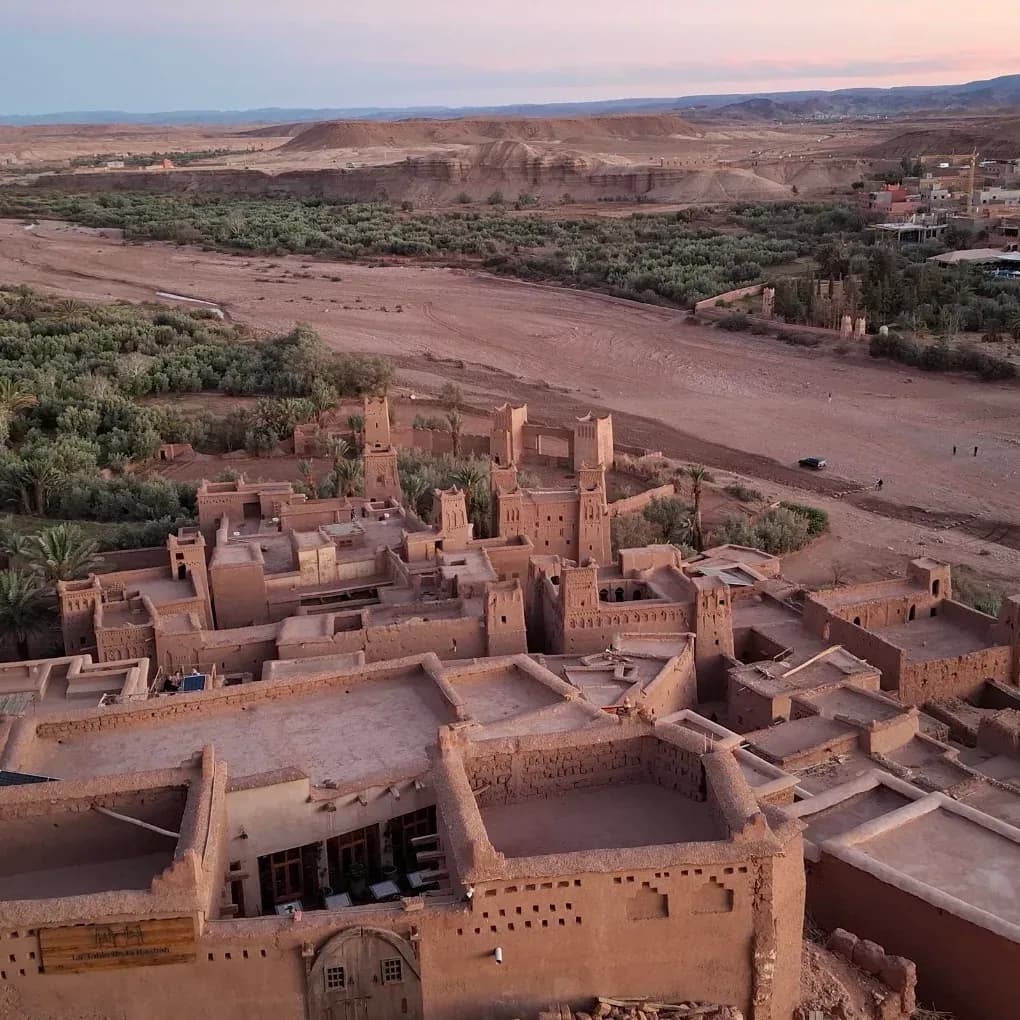
Aït Ben Haddou, the Dades Valley, the Todra Gorge, Meknes, Volubilis, Rabat, Tetouan, Asilah, the Ouzoud waterfalls and the Imlil valley in the High Atlas appear in many of our itineraries. If history is what interests you, the classic way to see them is an imperial cities route.
The Sahara desert
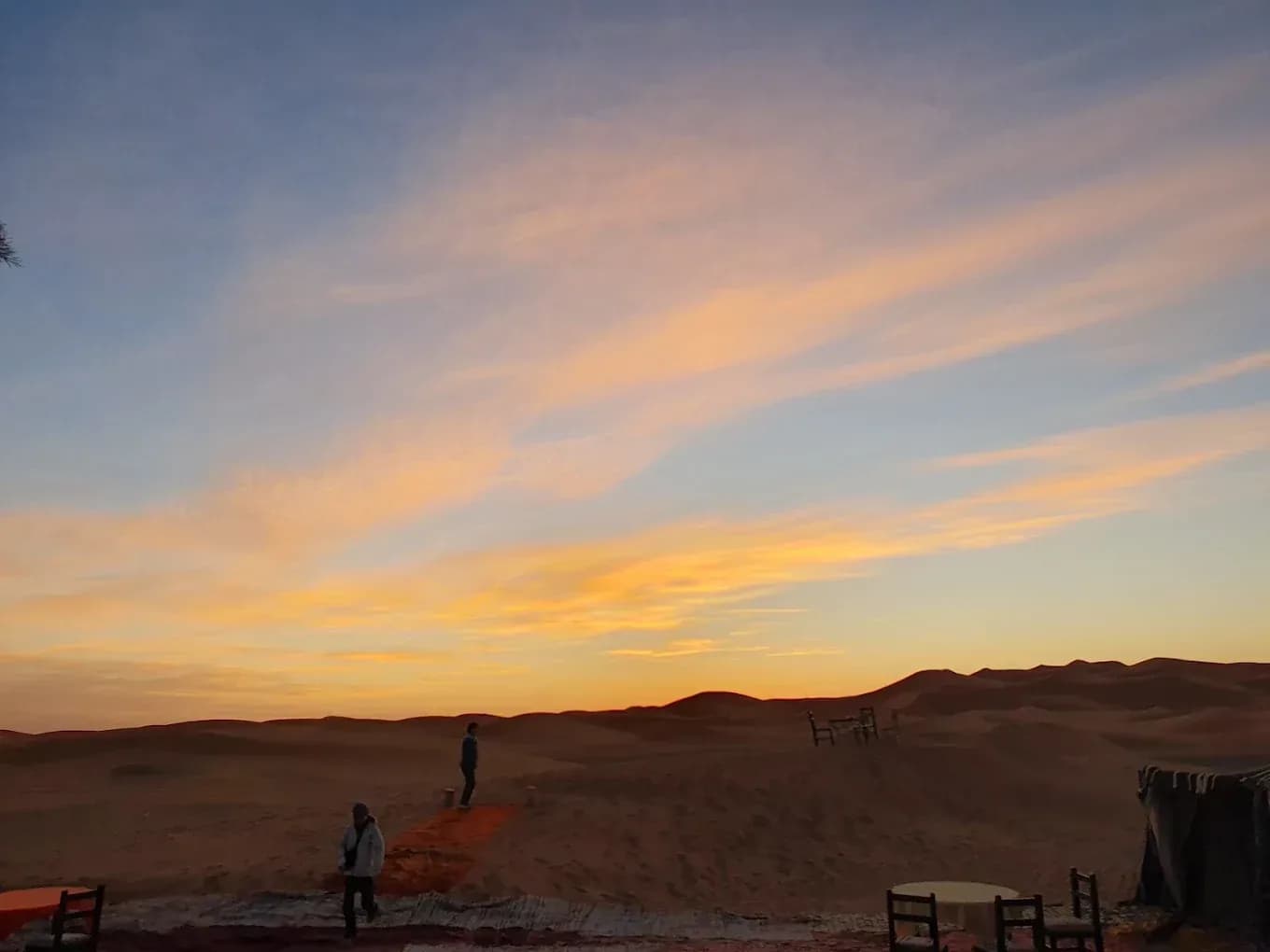
For many travellers, the night in the desert is the high point of the trip. Reaching the dunes by camel at sunset, having dinner at a camp and seeing a sky full of stars is hard to forget.
Merzouga or Zagora
There are two main desert areas you can reach from Marrakech. Merzouga, with the Erg Chebbi dunes, has the more spectacular scenery but needs at least 3 days from Marrakech. Zagora is closer, but its dunes are much smaller. We help you decide in Merzouga or Zagora. And if you only have one day, the stony Agafay desert on the outskirts of Marrakech is an alternative for a sunset or a dinner, although it has no sand dunes.
Sleeping in the desert
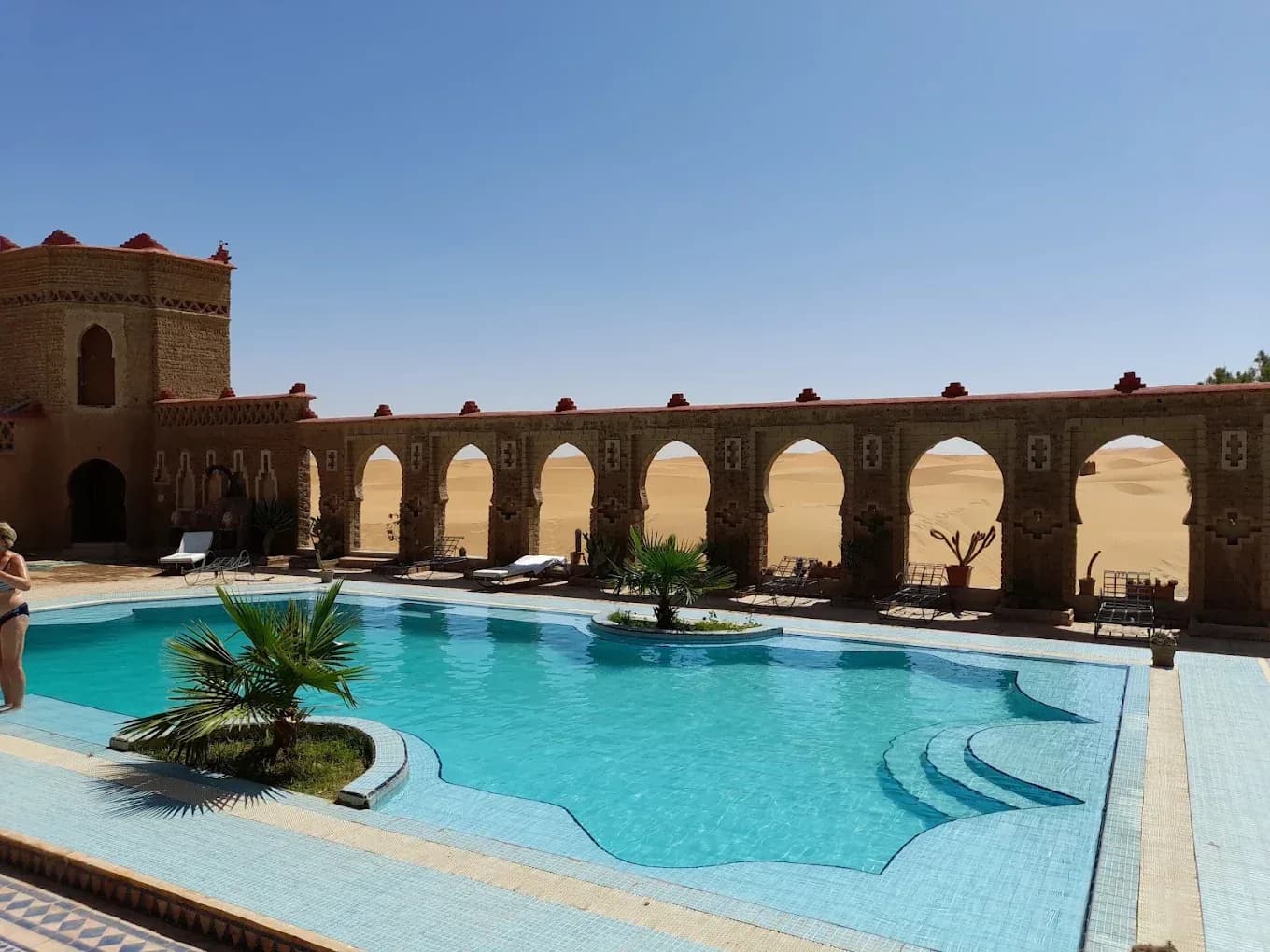
Camps range from simple options with shared bathrooms to luxury camps with large tents, private bathrooms and carefully prepared dinners. We explain the differences, what each one includes and how to prepare for the night in sleeping in the Moroccan desert.
How to choose your desert trip
If you're going to Merzouga from Marrakech, we recommend splitting the journey over two days, with a night in the Dades Valley or the Todra Gorge. From Fez the journey is a bit shorter. You can see all the options, from 3 days upwards, in our Sahara desert tours. And if you want to see in the new year among the dunes, read New Year in Morocco.
Culture, customs and food
Customs and etiquette
Morocco is a Muslim country with a strong tradition of hospitality. Knowing a few customs makes the trip go more smoothly: dress modestly in traditional neighbourhoods and rural areas, ask before photographing people, say hello before asking a question and haggle with good humour in the souks. During Ramadan, be considerate about eating or drinking in public during the day. We cover it all in customs and etiquette in Morocco.
Food
Moroccan cooking is one of the great pleasures of the trip. Tagine, Friday couscous, harira, Fez pastilla, Marrakech tanjia, almond and honey pastries and the ever-present mint tea are all part of it. If you want to know what to order, where to eat and which dishes to try in each region, read Moroccan food. A cooking class in a riad is one of the activities we recommend most.
Festivals and celebrations
Besides the religious holidays, Morocco has a busy cultural calendar, with music festivals in Essaouira and Fez and the Rose Festival in the M'Goun Valley. The dates change every year, so always check with official sources before you travel. We list them, together with the Easter and New Year trips, in events and festivals.
Types of trip: which one suits you?
There's no single way to travel in Morocco. These are the travel styles we organise and who we recommend each one for.
Private tours
A vehicle and a Spanish-speaking driver just for you, with an itinerary you can adapt. It's the most flexible option and the one couples, families and groups of friends ask us for most. See the private tours of Morocco.
Group tours
Shared departures with other travellers, a good option if you're travelling alone or want a lower price. We also organise trips for groups that are already formed. See the group tours.
Luxury tours
Boutique riads, hotels with spas, a premium camp in the Sahara and private experiences. You'll find them in the luxury tours.
Honeymoon
Morocco works well for newlyweds: romantic riads, a night under the stars and a few days by the sea. Take a look at our honeymoon in Morocco section.
Cultural tours
For people who want to understand the country's history through its medinas, palaces and archaeological sites, with official local guides. See the cultural and imperial cities tours.
Photography tours
Routes planned around the best light: sunrise on the dunes, sunset over the kasbahs and the blue streets of Chefchaouen. See the photography tours.
Adventure and trekking
Walks in the High Atlas, the climb up Toubkal, routes through the southern valleys, surfing on the Atlantic coast and activities in the desert. See adventure and trekking.
Family tours
Shorter journeys, hotels with pools and activities children love, such as camels or the beach. See the family tours.
Day trips
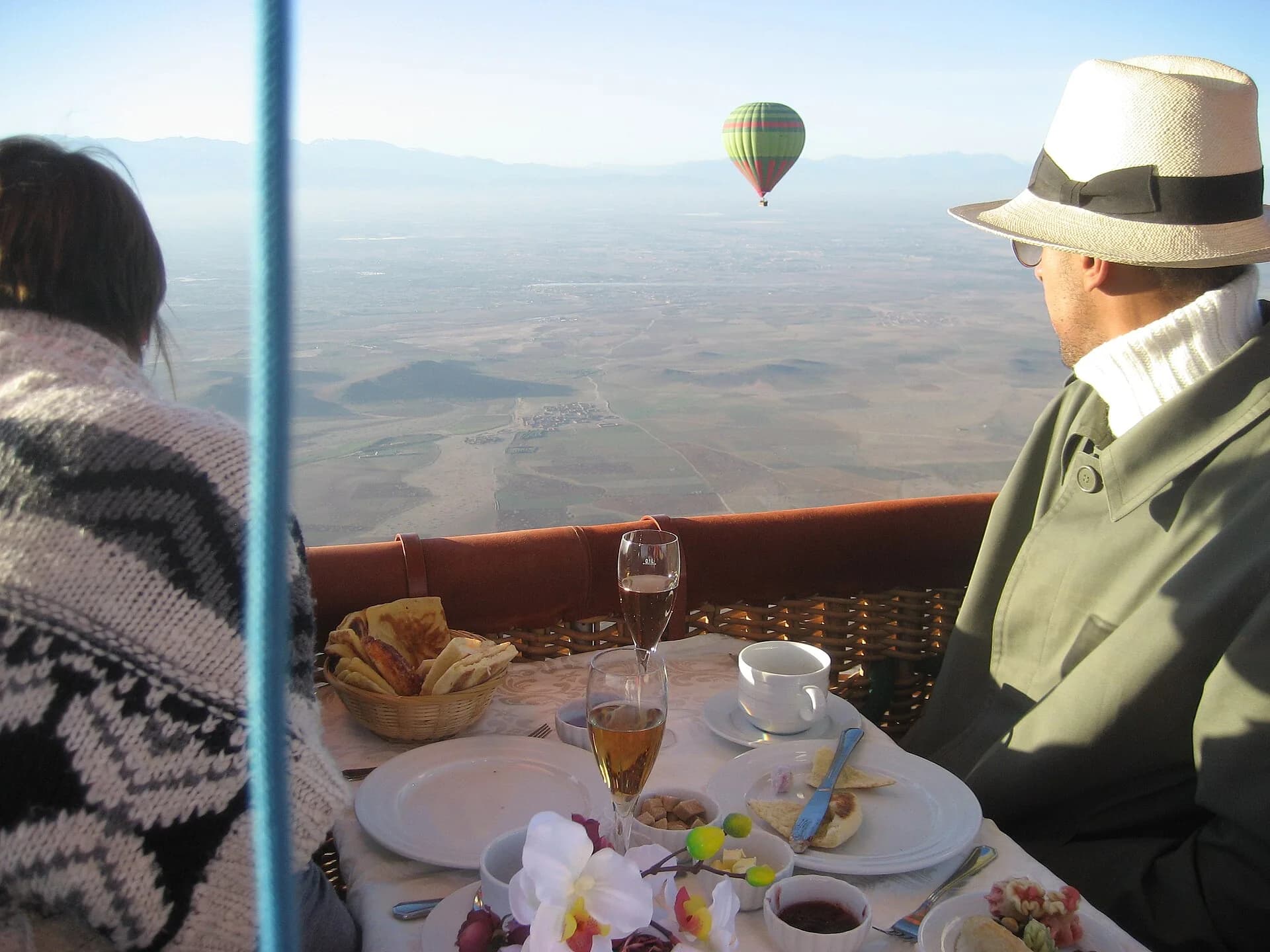
If you're based in one city, you can head out to see the surrounding area: the Ouzoud waterfalls, Essaouira, the Ourika Valley, the Agafay desert or a balloon flight. They're all in day trips and activities.
Final tips from people who organise Morocco trips every week
- Don't try to see everything. It's better to spend more time in fewer places than to spend the trip on the road.
- Book early for peak dates such as Easter, summer and New Year, especially luxury camps and small riads.
- Hire official guides for the medinas in Fez and Marrakech. They make a big difference.
- Carry cash in dirhams for the souks, tips and small expenses.
- Take out travel insurance with medical cover.
- Be patient and keep your sense of humour. Things move at a different pace, and Moroccan hospitality usually rewards an open attitude.
If you have more questions, our FAQ answers the most common queries about bookings, payments and logistics.
Plan your trip with us
We're a local agency based in Casablanca, with Spanish-speaking drivers and guides, and we design trips all over the country for travellers from Spain and Latin America. If you already have dates, or just an idea, write to us and we'll help you turn it into an itinerary built around you.