Trip overview
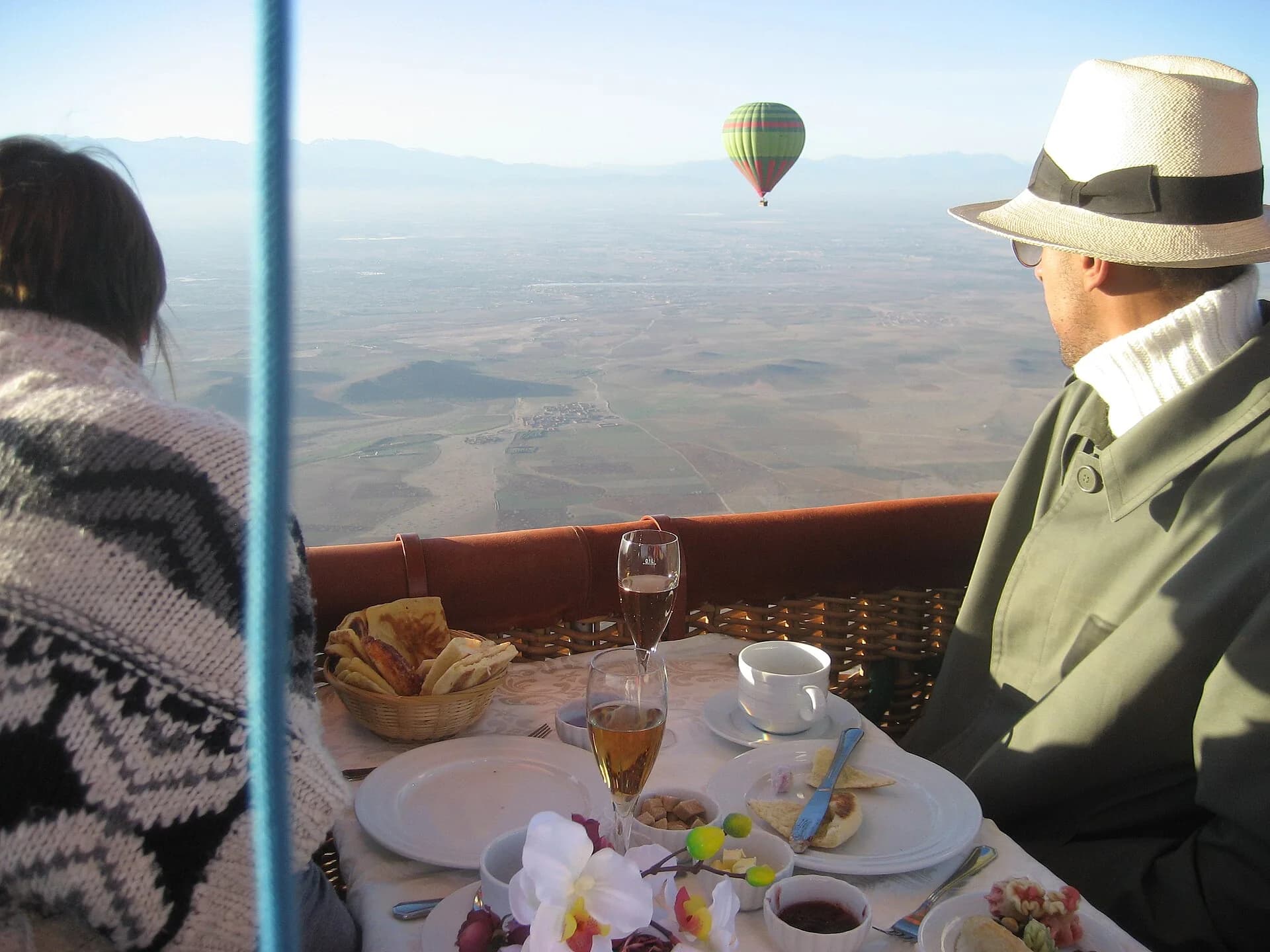
Nine days to photograph southern Morocco in good light: Aït Ben Haddou, the Dades, the Todra and Erg Chebbi, in a group of 4 to 8 people with a photographer guide.
- Duration9 days / 8 nights
- Starts inMarrakech
- GroupSmall group · 4–8 people
- DifficultyModerate
- LanguageEspañol
- DeparturesDaily departures all year round
Highlights
- Timings set by the golden hour and the blue hour
- Group of 4 to 8 photographers
- Photographer guide with experience in Morocco
- Sunset and sunrise at Aït Ben Haddou
- The Aït Ouglif bends in the Dades Valley
- Two nights in the Erg Chebbi dunes
- Visit to a nomad family, with permission for every photo
- Night photography of the stars in the desert
- Draa Valley and mud-brick kasbahs
Who it's for
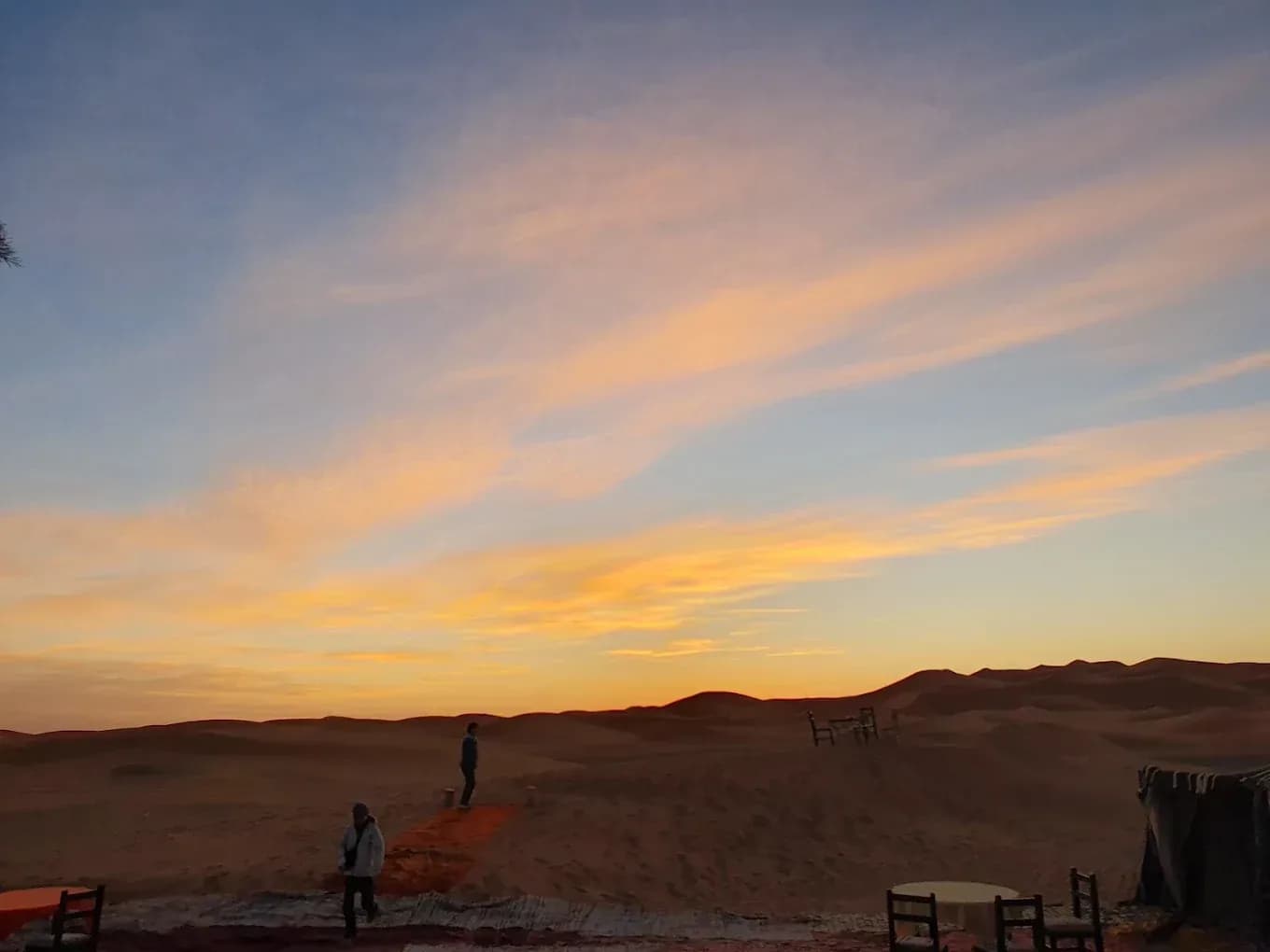
The schedule follows the light: dunes at sunrise, Aït Ben Haddou at sunset and driving during the hours of harsh light.
It suits you if…
You're an amateur at any level, from a good phone to a DSLR or mirrorless camera with several lenses, and you have the patience to wait for the light.
- Groups of 4 to 8 people
- Room for everyone at each shot
Pick something else if…
You struggle with early starts or days that finish after dark. That's why we rate it as moderate, not because of the walks, which are short.
How we photograph people
There are meetings with nomad families near Merzouga and with people in the valleys. Our local team introduces the group and translates, so there's a conversation first. We ask permission before every photo, and if someone says no, we don't push. Families receive an agreed payment for their time. We don't photograph children without their parents' permission, and we ask you not to hand out sweets or money in the street.
Before you book
Day-by-day itinerary
Day 1: Arrival in Marrakech and the first blue hour
We pick you up at the airport and take you to the riad in the medina. In the middle of the afternoon we meet the photographer guide to get to know the group, check gear and go over the plan, with tips for photographing in the street without bothering people.
As the sun sets we go up to a terrace above Jemaa el Fna square for the first session: blue hour, smoke from the food stalls and the lights around the Koutoubia. It's a good moment to try long exposures on a tripod. Welcome dinner as a group in the medina.
Day 2: Marrakech at dawn: medina, souks and palaces
We head out before breakfast, when the medina is almost empty and the light slants down the streets. We photograph doors, workshops opening up and the first activity of the day.
After breakfast we go to the Bahia Palace, whose courtyards, tiles and cedar ceilings are good for working on geometry and interior light. At midday, rest and review at the riad. In the afternoon we walk through the dyers' and blacksmiths' souks with a local guide who introduces us to craftsmen happy to be photographed. We finish in the square at sunset.
Day 3: Marrakech – Tizi n'Tichka – Aït Ben Haddou
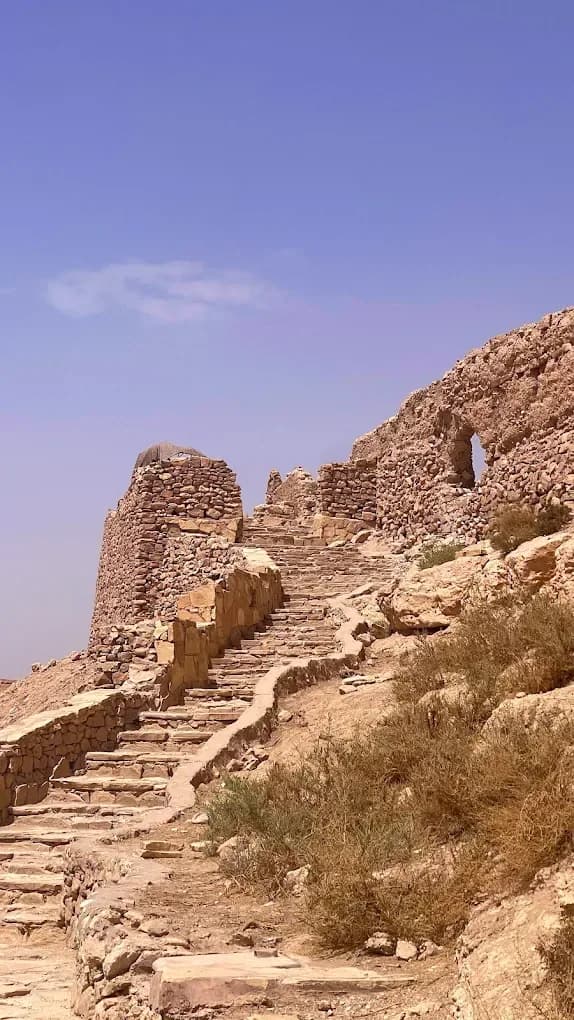
We cross the High Atlas over the Tizi n'Tichka pass, stopping at mud-brick villages and viewpoints. If the light is with us, we detour to Telouet to photograph its ruined kasbah.
We reach Aït Ben Haddou in the early afternoon and sleep somewhere with a view of the ksar. We walk round it as the light softens and then cross to the other side of the river for sunset, when the mud brick turns red. After dinner, if the sky is clear, we do our first night photography practice with the ksar lit up.
Day 4: Aït Ben Haddou – Skoura – Dades Valley
Sunrise in front of the ksar, when the first light touches the top of the village, and then breakfast. We carry on to the Skoura palm grove to photograph the Amridil kasbah and daily life among the palms and gardens.
After lunch we cross the Valley of the Roses and reach the Dades. Late in the afternoon we climb to the Aït Ouglif viewpoints, where the road makes a series of hairpin bends over the rock. It's a much-repeated shot, but it works: with side light and, after dark, with car headlights in a long exposure.
Day 5: Dades Valley – Todra Gorge – Merzouga
First light on the Dades rocks known as monkey fingers, then off towards Tinghir. We stop at a viewpoint over its palm grove and reach the Todra Gorge mid-morning, when the sun starts to get in between the walls and casts very hard shadows.
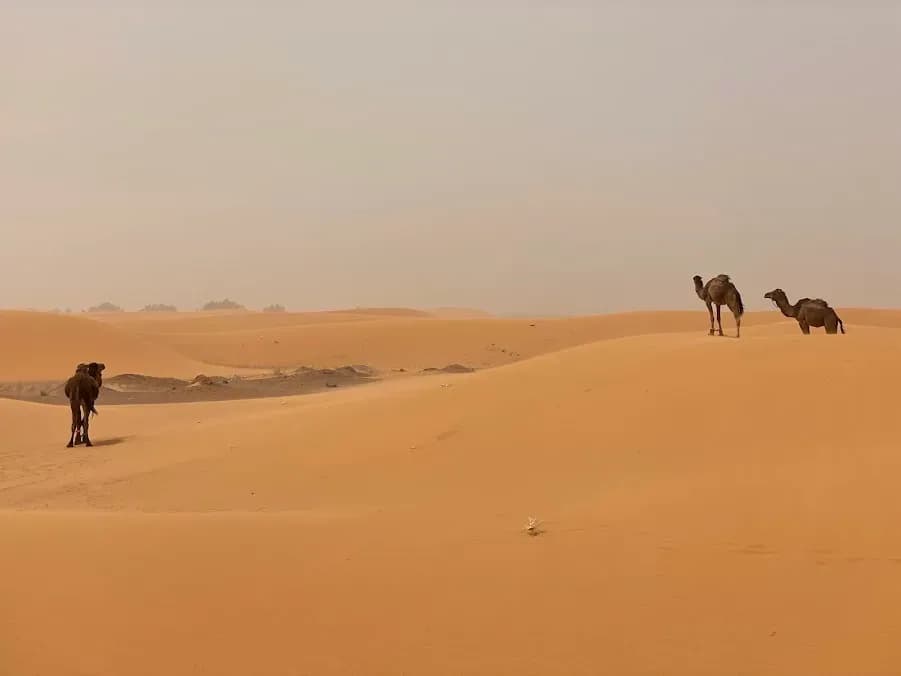
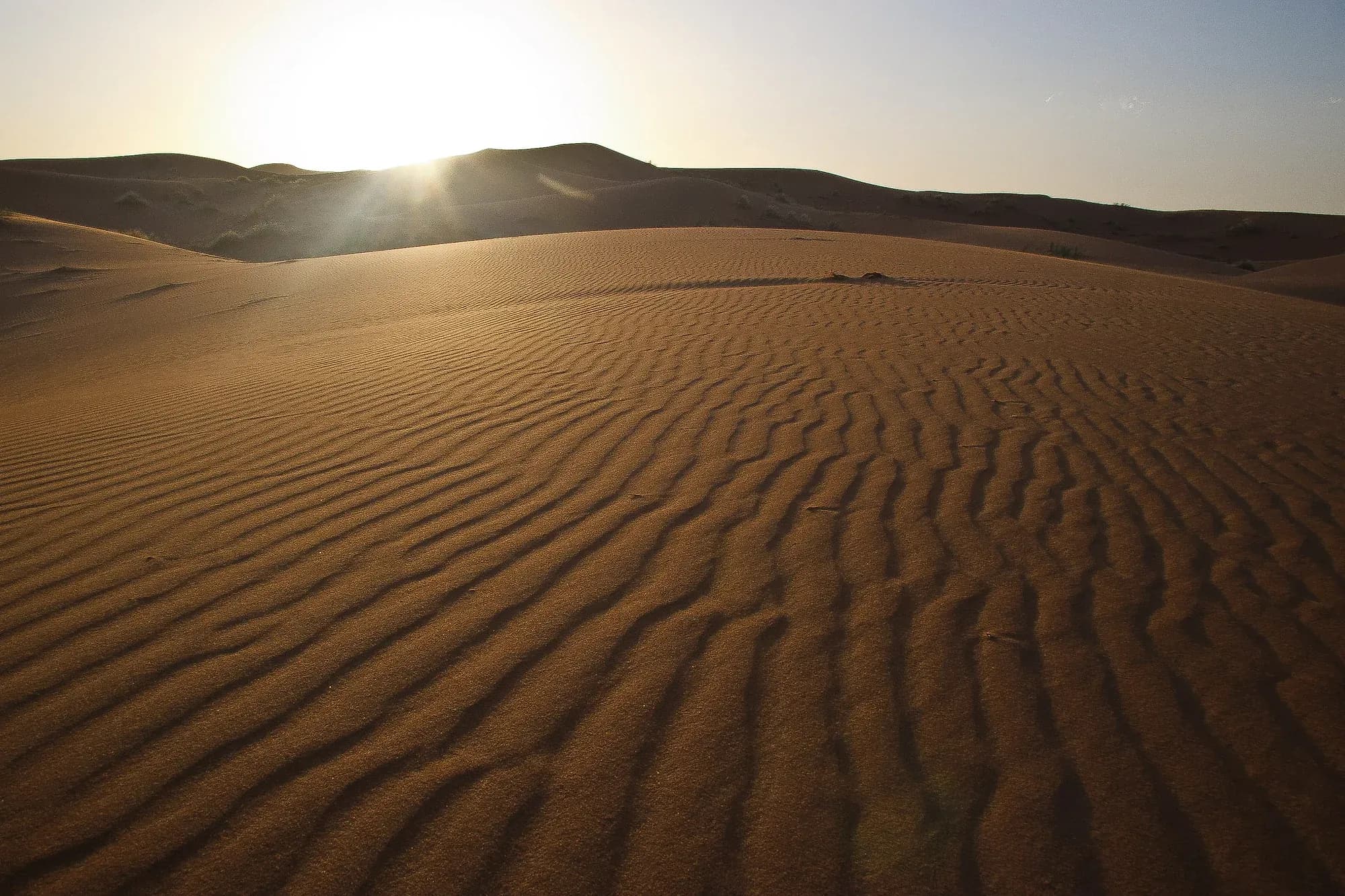
We continue towards Merzouga via Alnif and Rissani. In the middle of the afternoon we reach Erg Chebbi and ride camels to the camp. We work the sunset in the dunes, with the caravan's shadows stretched out across the sand. At night, stars with the guide, away from the camp lights.
Day 6: Erg Chebbi: dunes, nomads and Khamlia
We climb a high dune before dawn: the first light is when the textures of the sand show best. After breakfast our local team introduces us to a nomad family living near the erg. We have tea, talk with the help of the interpreter and only photograph those who give permission.
Then we go to Khamlia, a village with a Gnawa tradition, to listen to their music in a dimly lit room; be ready to push the ISO. Free afternoon at the camp and, at sunset, a light-and-shadow session in the dunes. If the sky allows, a second night of stars.
Day 7: Merzouga – Alnif – N'Kob – Draa Valley
Last sunrise in the desert and departure west on a route with little traffic. We cross the black mountains of Alnif and reach N'Kob, a village with dozens of mud-brick kasbahs that we explore on foot in the afternoon light.
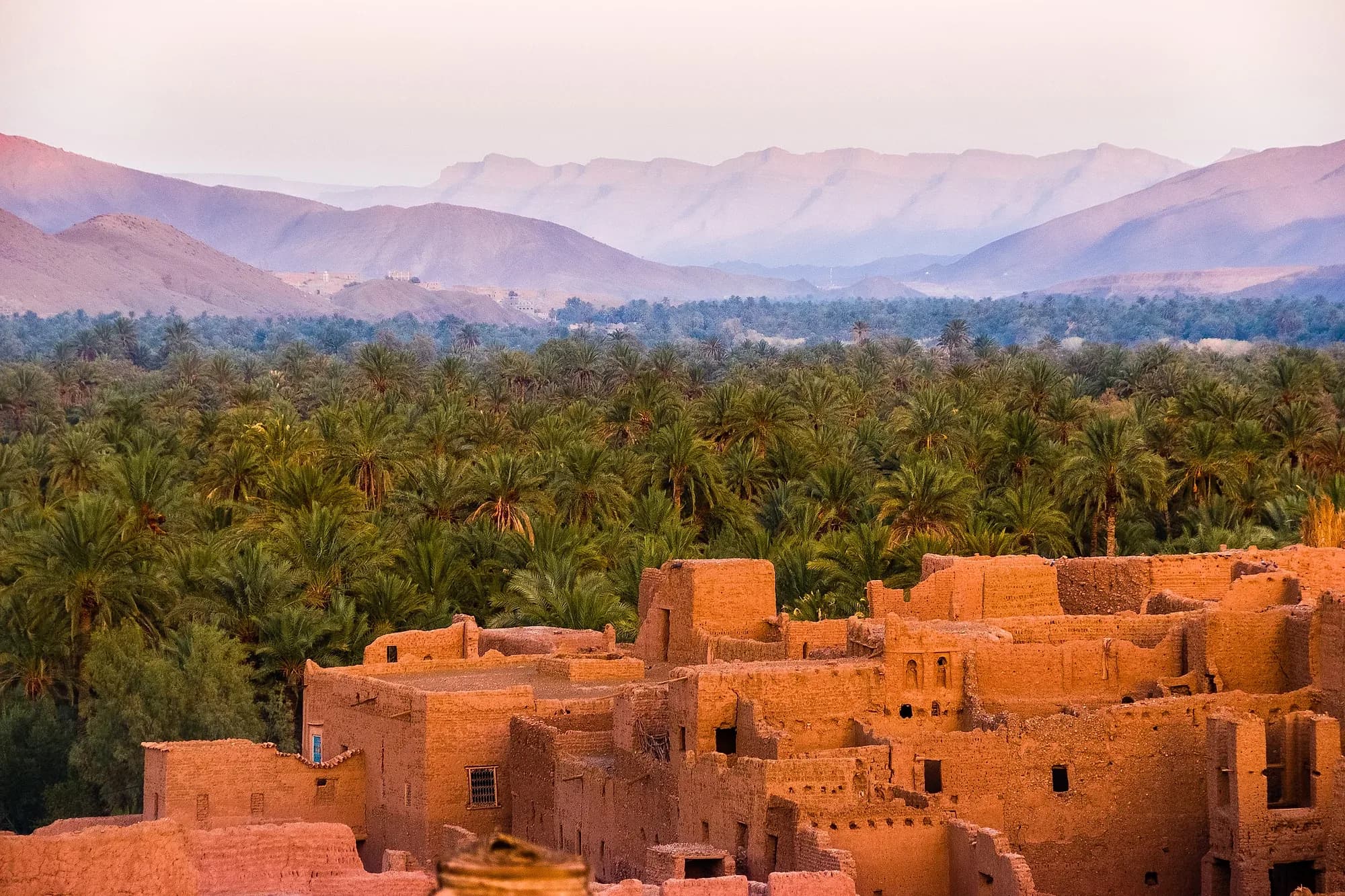
We continue to the Draa Valley, the longest palm grove in Morocco, which follows the river for kilometres. We sleep in a kasbah among the palms near Agdz, with time for sunset over the valley and Mount Kissane. It's about 6 hours with stops, and the landscape changes a lot along the way.
Day 8: Draa Valley – Ouarzazate – High Atlas – Marrakech
We leave early to photograph the palm grove in soft light and cross the Tizi n'Tinififft pass towards Ouarzazate. Then we climb back into the High Atlas over Tizi n'Tichka, stopping at terraced villages we didn't see on the way out.
We reach Marrakech in the middle of the afternoon. Back at the riad, we do the last review with the guide: everyone shows a selection of their photos and gets feedback to edit them at home. Farewell dinner on a terrace in the medina.
Day 9: Departure from Marrakech
Breakfast at the riad and free time depending on your flight. If you leave in the afternoon, use the morning for the Majorelle Garden, with its blue walls and cacti. Go first thing, because it fills up later.
At the agreed time we take you to the airport. If you want to extend the trip, we arrange extra nights in Marrakech, a trip to Essaouira to photograph the blue boats in the harbour or an excursion to the Imlil valley. Afterwards we email you a summary with the places and times of every session.
What's included
Included (9)
- Arrival and departure transfers in Marrakech
- Transport in a small-group vehicle with a Spanish-speaking driver
- Photographer guide for the whole trip
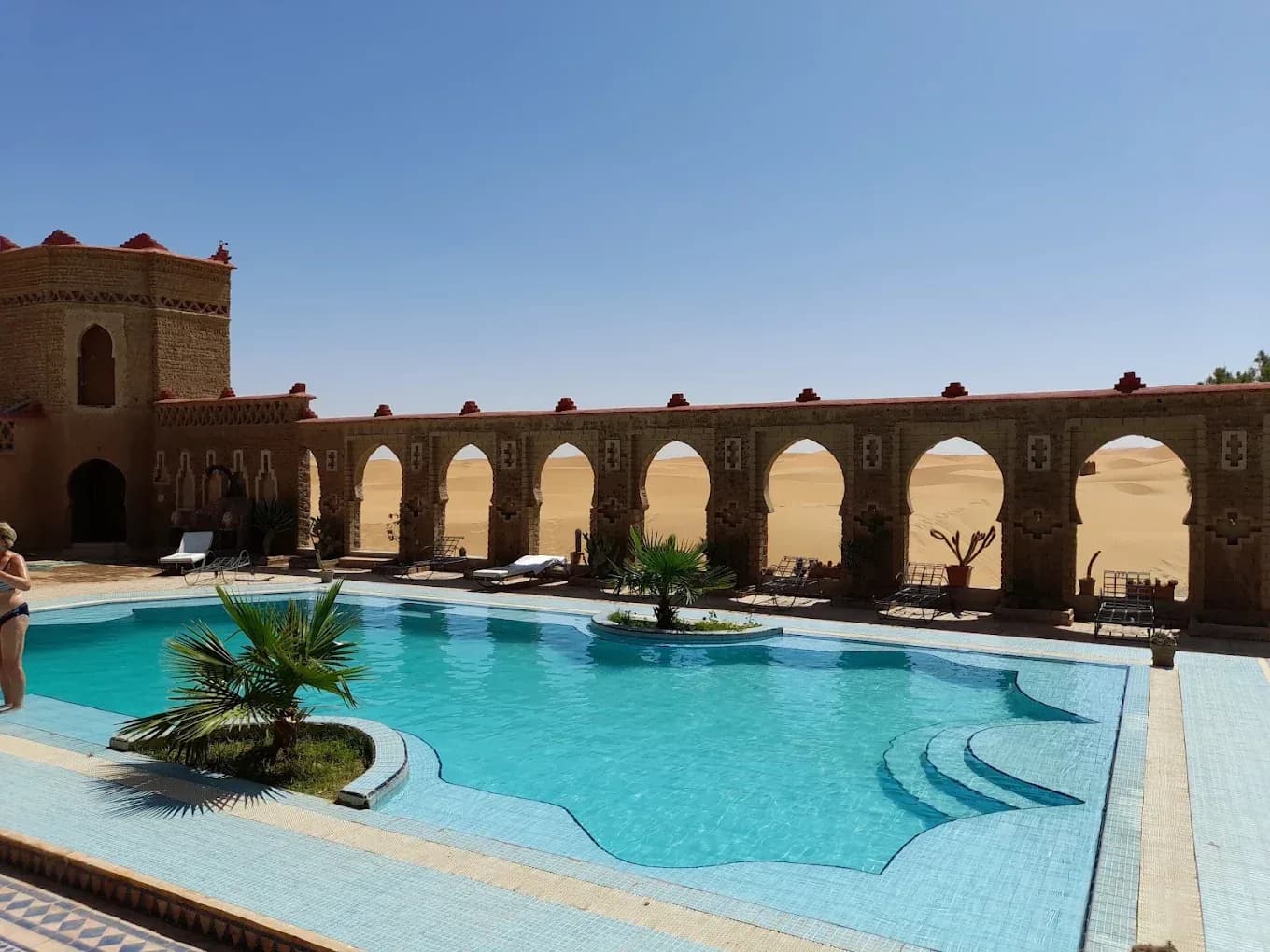
- Eight nights' accommodation according to the category chosen, two of them in the desert
- Daily breakfasts and the meals shown in the itinerary
- Local guides in Marrakech and Aït Ben Haddou
- Camel ride and 4x4 excursions around Erg Chebbi
- Meeting with a nomad family with agreed compensation
- Photo review sessions
Not included (6)
- International flights
- Lunches and dinners not listed
- Monument entrance fees
- Photography equipment
- Tips
- Travel insurance
Important information (5)
- Always ask permission before photographing anyone.
- Drone use is heavily restricted in Morocco; don't travel with a drone without first checking the rules with official sources.
- Bring a lightweight tripod, spare batteries and a bag to protect your gear from the sand.
- Electricity for charging batteries is limited at the camp; bring a power bank.
- Departures need a minimum of 4 people; they can also be arranged privately.
Prices per person
Standard
Comfortable riads and hotels, private tent with bathroom at the camp
Superior
Kasbahs and riads with character, luxury camp
Luxury
The best accommodation at each stage and a premium camp
Fixed price per person, whatever the size of your group.
Payment and cancellation
You pay a 15% deposit when you book. The rest is paid on the first day of the trip, in cash or by bank transfer. You can also pay it by PayPal or card, with a 5% surcharge.
Group: free up to 10 days before departure. If you cancel in time, we refund the full deposit.
Extras you can add
Chosen when you book and added to the total. You can also ask for them later, subject to availability.
Quad bike in the Merzouga dunes
Guided quad ride around Erg Chebbi, helmet included
Dune buggy in Merzouga
Two-seater buggy with a guide through the dunes, helmet included
Upgrade the accommodation
More characterful hotels and riads, and a superior desert camp
Did you take this trip with us? Leave the first review using your booking reference.
Read our reviews on Tripadvisor
Leave a reviewFrequently asked questions
Do I need to be an experienced photographer?
No. The trip is for any level. What changes is the kind of help you get from the guide: with beginners we explain the basics of exposure and composition, and with experienced photographers we work on more advanced techniques, such as night photography or portraits in natural light. You can also travel with a companion who doesn't take photos.
Can I bring a drone?
We advise against it unless you look into it first. Morocco has very strict rules on drones, and they're often held at customs if you don't have prior authorisation. The rules can change, so always check with official sources before you travel.
How are photos with the nomad families arranged?
Our local team arranges the visits with families who agree to host small groups. First we share tea and a conversation; after that, only those who give permission are photographed. The families receive agreed compensation for their time. We ask you not to hand out money or sweets on your own.